

Table of Contents
- Best Non-Toxic Pet Grooming Supplies: Product Recommendations
- Ingredients to Avoid in Pet Grooming Products
- Pet Grooming for Sensitive Skin: What You Need to Know
- DIY Non-Toxic Dog Shampoo Recipes and Tips
- Third-Party Lab Testing and Safety Verification
- Eco-Friendly Packaging and Sustainable Sourcing
- How to Choose the Right Non-Toxic Pet Grooming Supplies
- Conclusion
Last Updated: July 28, 2026
Finding the best non toxic pet grooming supplies protects your pet's skin, coat, and overall wellbeing from harmful chemicals. Research shows that many conventional pet shampoos contain sulfates, parabens, and synthetic fragrances that irritate sensitive skin and contribute to long-term health concerns. High-quality natural alternatives deliver effective cleaning without the chemical burden.
Best Non-Toxic Pet Grooming Supplies: Product Recommendations
When evaluating options, look for certifications like USDA Organic, EWG verification, or dermatologist testing, these third-party validations ensure what's on the label matches what's in the bottle.
4-Legger Organic Dog Shampoo represents the gold standard for certified organic pet grooming. This USDA Certified Organic formula contains no sulfates, parabens, or synthetic fragrances, making it ideal for dogs with allergies or sensitive skin. Priced around $16.99 to $23.50 per 16 fl oz bottle, it offers complete ingredient transparency and multiple formulations for specific concerns.
Burt's Bees for Dogs Oatmeal Shampoo offers an accessible entry point at $6.84 to $12.99 per 16 fl oz bottle. This 99.7% natural formula contains colloidal oatmeal and honey for skin conditioning and works particularly well for dry or itchy coats.
Vermont Soap Organics Pet Magic Dog Shampoo pioneered the certified organic pet shampoo category. Made with organic coconut, olive, and jojoba oils plus organic aloe vera, this extraordinarily mild formula is free from toxic chemical detergents. Priced around $14.98 per bottle with options in 16oz, 64oz, and gallon sizes, it's excellent for pets with severe sensitivities.
Bodhi Dog USDA Certified Organic Paw Balm addresses cracked paws and noses with a six-ingredient organic formula. This lick-safe, non-toxic composition prevents damage from heat, ice, salt, and dry air.
Pure and Natural Pet Calming Lavender Detangling & Conditioning Spray combines grooming functionality with anxiety relief. Formulated with USDA Certified Organic oatmeal extract and lavender oil, this leave-in spray helps loosen mats while providing calming aromatherapy at $14.99 per 16 fl oz bottle.
The Pet Fur Knot Remover Comb from Lola's Favorite Pet Gear ($36.99) provides an eco-friendly alternative to metal dematting tools. This specialized grooming tool gently removes dead undercoat and tangles without chemical treatments, ideal for long-haired breeds.
| Product | Price | Best For | Key Benefit |
|---|---|---|---|
| 4-Legger Organic Shampoo | $16.99-$23.50 | Allergies, severe sensitivities | USDA Certified Organic |
| Burt's Bees Oatmeal | $6.84-$12.99 | Budget-conscious owners | Widely available, effective |
| Vermont Soap Organics | $14.98 | Extremely sensitive skin | Pioneer certified organic formula |
| Bodhi Dog Paw Balm | Varies | Cracked paws, outdoor pets | Lick-safe, all-season protection |
| Pure and Natural Spray | $14.99 | Anxious dogs, matted coats | Calming aromatherapy + detangling |
| Lola's Pet Fur Remover | $36.99 | Long-haired breeds | Chemical-free mat removal |
Natural Pet Shampoos for Healthy Coats
The term "natural" lacks strict regulatory definition, so brands use it differently. USDA Certified Organic shampoos meet federal standards with third-party verification, while "natural" labels may simply mean the product contains some plant-derived ingredients alongside synthetic ones.
The best natural shampoos include plant-based surfactants derived from coconut or vegetables, organic botanical extracts, and essential oils chosen for safety. Colloidal oatmeal soothes irritated skin, while aloe vera provides hydration and healing properties.
Earthbath Hypo-Allergenic Fragrance-Free Grooming Wipes ($17.99 per 100-count pack) offer convenient cleaning between full baths. These plant-based wipes remove dirt, dander, and odors while remaining gentle enough for daily use on pets over six weeks old.
When selecting a natural shampoo, check for ingredient lists that read like food items rather than chemistry experiments, absence of sulfates and parabens, and third-party certifications. Many natural formulas cost more upfront but require less product per wash due to higher concentration of active ingredients.
Eco-Friendly Pet Grooming Tools That Last
Traditional plastic grooming tools shed microplastics during use and contaminate waterways through disposal. Eco-friendly alternatives made from sustainable materials offer comparable functionality while reducing environmental harm.
Eco Max Dog Grooming Brush is constructed from 100% natural, biodegradable coconut and vegetable fibers. The naturally anti-bacterial properties extend tool lifespan while reducing the need for chemical sanitizers.
Lola's Favorite Pet Gear offers the 2-in-1 Pet Dryer Brush ($105.99), which combines drying and styling in a single tool with adjustable heat settings. This eliminates the need for separate dryers and brushes, typically completing grooming 40-50% faster than separate tools.
When evaluating eco-friendly grooming tools, prioritize durability and multi-functionality. A tool that lasts five years prevents the waste associated with replacing cheap alternatives annually.
Non-Toxic Grooming Supplies for Sensitive Skin
Pets with sensitive skin require specialized grooming approaches that avoid triggering inflammation, itching, or allergic reactions. Sensitive-skin pets often have compromised skin barriers, making them vulnerable to irritation from even mild surfactants or fragrance compounds.
kin+kind Organic Ear Cleaner ($11.99) addresses a common sensitive-skin issue without harsh chemicals. This USDA Certified Organic, vet-formulated solution eliminates wax buildup and itchy irritation using clean plant-based ingredients.
For full-body grooming, prioritize pH-balanced formulas specifically developed for canine or feline skin. Pet skin is naturally more acidic than human skin (pH 6.2-7.4 for dogs versus 4.5-5.5 for humans), so human shampoos can disrupt the protective acid mantle.
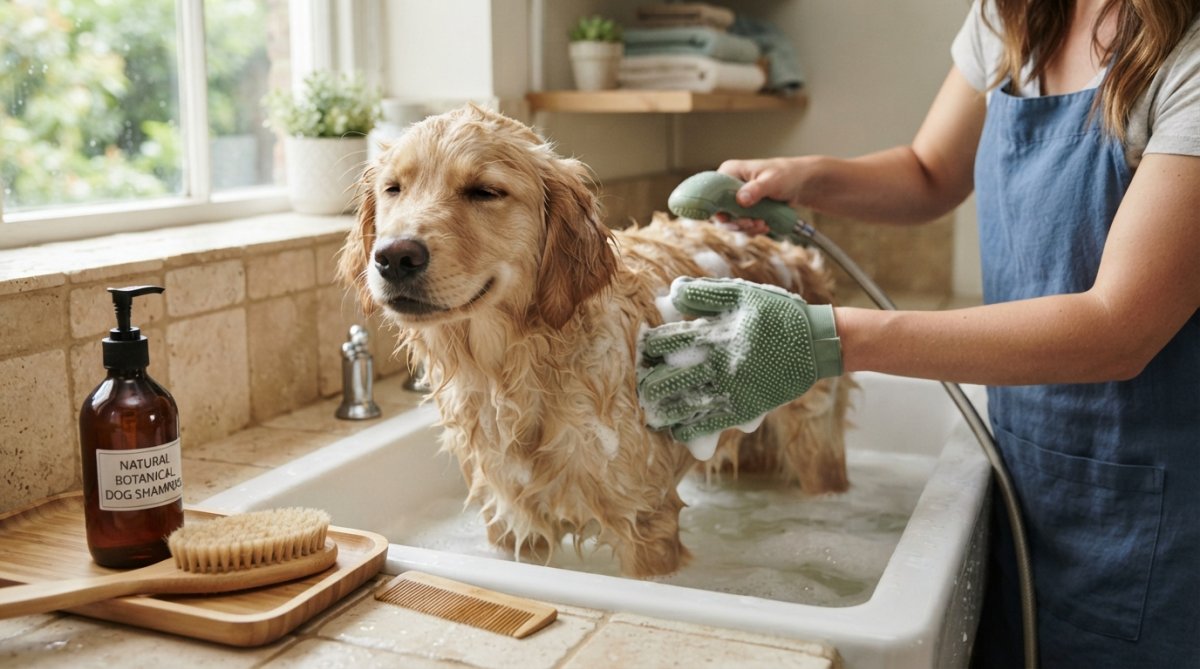
The Pet Bath & Massage Glove with Shower Sprayer ($60.99) from Lola's Favorite Pet Gear transforms bath time for sensitive pets. The soft silicone bristles provide gentle massage while the integrated sprayer allows precise water control, preventing water from entering ears or eyes.
Specialty Grooming Products from Lola's Favorite Pet Gear
The Rechargeable Pet Nail Clipper ($102.99) eliminates the struggle of traditional manual clippers while reducing injury risk. Untrimmed nails cause scratches, joint stress, and create entry points for bacterial infection.
Pet Teeth Cleaning Pen ($63.99) addresses oral health with natural plant-based ingredients providing tartar removal without chemical treatments. Regular use prevents oral disease affecting heart, kidney, and liver function.
The Portable Dog Paw Cleaner ($84.99) solves the muddy-paw problem with soft silicone bristles that gently clean paws without harsh scrubbing.
Ingredients to Avoid in Pet Grooming Products
Understanding which ingredients harm pets enables you to evaluate product labels with confidence. Many conventional pet grooming products contain ingredients banned in cosmetics for human use in the European Union but still permitted in the United States.
Sulfates (sodium lauryl sulfate, sodium laureth sulfate) are harsh surfactants that strip natural oils from skin and coat, compromising the skin barrier that protects against bacterial and fungal overgrowth.
Parabens (methylparaben, propylparaben, butylparaben) are preservatives linked to endocrine disruption in animal studies. These chemicals accumulate in body tissues over repeated exposure.
Phthalates hide within "fragrance" or "parfum" labels, allowing manufacturers to list dozens of undisclosed chemicals. These plasticizers are linked to reproductive harm in animal studies.
Synthetic fragrances often include neurotoxic compounds affecting pets' sensitive olfactory systems. Pets experience fragrance at concentrations 10,000 times stronger than humans.
Coal tar dyes (listed as FD&C or D&C colors) are petroleum-derived colorants linked to cancer in long-term studies.
Formaldehyde and formaldehyde releasers (DMDM hydantoin, imidazolidinyl urea) preserve products while slowly releasing formaldehyde, a known carcinogen.
Reading ingredient labels requires understanding that components are listed in descending order by weight. The first five ingredients comprise approximately 80% of the product.
Pet Grooming for Sensitive Skin: What You Need to Know
Sensitive skin in pets manifests as itching, redness, flaking, odor, or recurrent infections. Grooming practices significantly influence symptom severity and progression.
Frequency of bathing directly impacts sensitive-skin pets. Over-bathing strips the skin barrier, paradoxically worsening sensitivity. Most sensitive-skin dogs benefit from bathing every 2-4 weeks rather than weekly, allowing natural oils to replenish between washes.
Water temperature matters significantly. Hot water increases skin permeability and irritation, while lukewarm water (around 90-95°F) minimizes disruption. Drying method also impacts post-bath skin health, air drying is gentlest but time-consuming, while low-heat blow drying balances speed with safety.
Between baths, the Pet Fur Knot Remover Comb ($36.99) gently removes dead undercoat and prevents tangles without harsh pulling that irritates sensitive skin.
Sensitive-skin grooming also demands attention to water quality. Chlorinated municipal water can irritate sensitive pets, while hard water mineral deposits accumulate on skin and coat. Installing a shower filter removes chlorine and reduces mineral content.
DIY Non-Toxic Dog Shampoo Recipes and Tips
Creating homemade dog shampoo provides complete control over ingredients while reducing cost. However, DIY shampoos require careful formulation to achieve proper pH balance and surfactant concentration.
Basic Gentle Oatmeal Shampoo:
- 1 cup organic castile soap (unscented)
- ½ cup organic coconut oil
- 2 cups distilled water
- 1 cup finely ground organic oatmeal
- 10 drops lavender essential oil (optional, omit for fragrance-sensitive pets)
Combine castile soap and coconut oil, then slowly add distilled water while stirring. Mix in ground oatmeal until fully incorporated, then add essential oil if desired. Store in a glass bottle and shake before each use. Use about 1 tablespoon per small dog, 2-3 tablespoons for medium dogs, and 4-5 tablespoons for large dogs.
DIY shampoo limitations include shorter shelf life (typically 2-3 weeks refrigerated) and less consistent texture. Create small batches and discard after three weeks to prevent microbial growth.
Third-Party Lab Testing and Safety Verification
Third-party lab testing provides objective verification that product labels match actual contents and that formulas meet safety standards.
USDA Organic Certification represents the highest level of verification for pet grooming products. This certification requires facility inspection, testing of finished products for prohibited substances, verification of ingredient sourcing, and annual recertification.
EWG Verification (Environmental Working Group) independently tests products for harmful chemicals and rates ingredients based on toxicity data. Products receiving EWG verification have passed screening for common irritants, allergens, and suspected toxins.
Dermatologist Testing indicates that products have been evaluated by veterinary dermatologists for safety and efficacy on animal skin, confirming pH balance appropriate for pets.
When evaluating product safety, prioritize certifications with legal consequences for false claims (USDA Organic) over voluntary industry standards lacking enforcement mechanisms.
Eco-Friendly Packaging and Sustainable Sourcing
Product packaging represents a significant environmental impact often overlooked by consumers. Pet grooming products typically generate substantial packaging waste through single-use bottles and non-recyclable closures.
Glass Containers preserve product integrity better than plastic while remaining infinitely recyclable. Vermont Soap Organics offers their pet shampoo in glass bottles available in 16oz, 64oz, and gallon sizes.
Aluminum Tubes and Bottles provide lightweight, infinitely recyclable alternatives to plastic. Bodhi Dog paw balm often uses aluminum packaging, significantly reducing environmental impact.
Refill Programs allow customers to return empty containers for refilling, dramatically reducing packaging waste.
Biodegradable Wipes like those from Earthbath break down in composting systems rather than persisting in landfills.
Sustainable Sourcing practices ensure that botanical ingredients don't contribute to deforestation. Brands like 4-Legger and Pure and Natural Pet prioritize organic, sustainably harvested ingredients that support regenerative agriculture.
How to Choose the Right Non-Toxic Pet Grooming Supplies
Selecting appropriate grooming products requires evaluating your pet's specific needs, your budget, and your environmental values.
Step 1: Identify Your Pet's Skin Type and Concerns
Assess whether your pet has normal, dry, oily, or sensitive skin. Document any existing skin conditions, itching, flaking, redness, or recurrent infections to guide product selection.
Step 2: Review Ingredient Lists for Prohibited Substances
Cross-reference product ingredient lists against harmful ingredients (sulfates, parabens, phthalates, synthetic fragrances, coal tar dyes, formaldehyde releasers). Eliminate any product containing these substances.
Step 3: Verify Third-Party Certifications
Prioritize products bearing USDA Organic certification or EWG verification. Request certificates of analysis from manufacturers if certifications aren't prominently displayed.
Step 4: Evaluate Packaging and Sustainability
Consider whether packaging aligns with your environmental values. Glass containers, aluminum tubes, and refill programs represent more sustainable choices than single-use plastic bottles.
Step 5: Start with Small Quantities
Before committing to large purchases, buy small quantities to test compatibility with your pet's skin. A 16 fl oz bottle allows adequate testing (typically 4-6 baths).
Step 6: Monitor Your Pet's Response
After introducing a new product, observe your pet's skin and coat over 2-3 weeks. Improved coat shine, reduced itching, and healthy skin indicate compatibility.
| Selection Factor | What to Prioritize | Red Flags to Avoid |
|---|---|---|
| Certifications | USDA Organic, EWG verified | Unverified "natural" claims |
| Ingredients | Named botanical extracts, oils | Sulfates, parabens, phthalates |
| Packaging | Glass, aluminum, refill programs | Single-use plastic, non-recyclable |
| Price | Quality over cost savings | Suspiciously cheap alternatives |
| Testing | Dermatologist-tested, hypoallergenic | No safety verification provided |
Choosing the best non toxic pet grooming supplies means prioritizing your pet's health and comfort alongside environmental responsibility. Whether you select premium certified organic formulas like 4-Legger and Vermont Soap Organics or budget-friendly options like Burt's Bees, the key is avoiding harmful chemicals that accumulate in your pet's body over time. Lola's Favorite Pet Gear specializes in grooming tools and complementary products that work seamlessly with natural shampoos and conditioners, offering everything from the Pet Fur Knot Remover Comb ($36.99) for gentle detangling to the Pet Bath & Massage Glove ($60.99) that makes bathing less stressful for sensitive pets. Start by identifying your pet's specific needs, verify third-party certifications, and test products in small quantities before committing to regular use. Your pet deserves grooming products as thoughtfully chosen as any other aspect of their care.
Frequently Asked Questions
What makes a pet grooming product truly non-toxic?
Non-toxic pet grooming products are formulated without harmful synthetic chemicals, sulfates, parabens, or phthalates. Look for items with USDA Certified Organic ingredients, naturally derived botanicals like oatmeal and aloe, and third-party lab testing verification. These products use plant-based formulas that are safe if licked and gentle on sensitive skin while still effectively cleaning your pet's coat.
Are natural pet shampoos better for sensitive skin than conventional options?
Yes, natural pet shampoos are typically better for sensitive skin. They contain hypoallergenic, naturally derived ingredients like organic aloe juice, chamomile, and eucalyptus instead of synthetic fragrances and harsh detergents. Products like 4-Legger Organic Dog Shampoo and Vermont Soap Organics are formulated to be pH-balanced and free from irritants, making them ideal for pets prone to allergies or skin reactions.
What ingredients should I avoid when selecting non-toxic pet grooming supplies?
Avoid sulfates, parabens, synthetic fragrances, phthalates, and chemical foaming agents. These ingredients can strip natural oils from your pet's skin, cause irritation, and trigger allergic reactions. Check ingredient labels carefully, if you can't pronounce it or it's not plant-based, it's likely a chemical to skip. Opt for products with transparent ingredient lists and certifications like USDA Organic or EWG verified.
Can I make my own DIY non-toxic dog shampoo at home?
Yes, you can create simple DIY non-toxic dog shampoo using ingredients like oatmeal, coconut oil, honey, and essential oils (diluted safely). A basic recipe combines colloidal oatmeal, mild castile soap, and warm water. However, homemade formulas may lack pH balance and preservatives, so they're best for occasional use. For regular grooming, certified organic commercial options provide consistent safety and effectiveness.
How do eco-friendly pet grooming tools compare to plastic alternatives?
Eco-friendly pet grooming tools made from sustainable materials like coconut and vegetable fibers are biodegradable, naturally anti-bacterial, and better for the environment. Unlike plastic tools that shed microplastics and take centuries to decompose, eco-friendly options break down naturally. They're equally effective for grooming and offer the added benefit of reducing your pet care's environmental impact while maintaining durability and performance.
This article was written using GrandRanker