

Table of Contents
- Why Comfortable Apparel Matters for Small Dog Breeds
- How to Measure a Dog for Clothes: A Step-by-Step Guide
- Best Fabrics for Sensitive Dog Skin: Material Selection Guide
-
Top Comfortable Apparel Options for Small Dogs
- 1. Lola's Favorite Pet Gear Striped Dog Hoodie Winter Outfit
- 2. Lola's Favorite Pet Gear Fleece Padded Dog Harness Coat
- 3. Lola's Favorite Pet Gear Waterproof Dog Harness Jacket
- 4. Gooby Stretch Fleece Vest for Everyday Warmth
- 5. Fitwarm Dog Pajamas for Night Comfort
- 6. Chilly Dog Sweaters for Premium Warmth
- How to Get a Dog Used to Wearing Clothes: Training Tips
- Seasonal Clothing Needs: Winter vs. Summer Comfort
- Care and Maintenance for Long-Lasting Comfort
- Safety Considerations and Breed-Specific Fit
Last Updated: August 6, 2026
According to pet wellness research, small dog breeds face unique comfort challenges that larger dogs don't encounter. Their compact frames, delicate skeletal structures, and sensitivity to temperature fluctuations make comfortable apparel for small dog breeds a genuine health consideration, not just fashion. At Lola's Favorite Pet Gear, we understand that finding the right fit requires more than guessing at sizes. This guide shows you how to choose, measure, and care for apparel that keeps your small dog comfortable, protected, and happy.
Why Comfortable Apparel Matters for Small Dog Breeds
Small dog breeds have fundamentally different needs than larger counterparts. Their smaller body surface area means they lose heat faster, making them vulnerable to cold temperatures. Beyond temperature regulation, small dogs benefit from apparel that prevents chafing and allows full range of motion. Poorly fitting clothes restrict movement, cause anxiety, and create pressure points on delicate skin. Quality apparel designed for small breeds prioritizes snug fit without constriction, breathable fabrics that don't trap moisture, and thoughtful construction accounting for their unique anatomy.
Many small dog owners report that their pets experience anxiety or stress-related behaviors. Anxiety-relief apparel, designed with gentle compression and calming textures, can help some dogs feel more secure during stressful situations like thunderstorms, fireworks, or vet visits.
How to Measure a Dog for Clothes: A Step-by-Step Guide
Accurate measurements are the foundation of proper fit. Most returns and fit complaints stem from guessing at sizes rather than taking precise body measurements. The process takes just five minutes.
Taking Accurate Neck and Girth Measurements
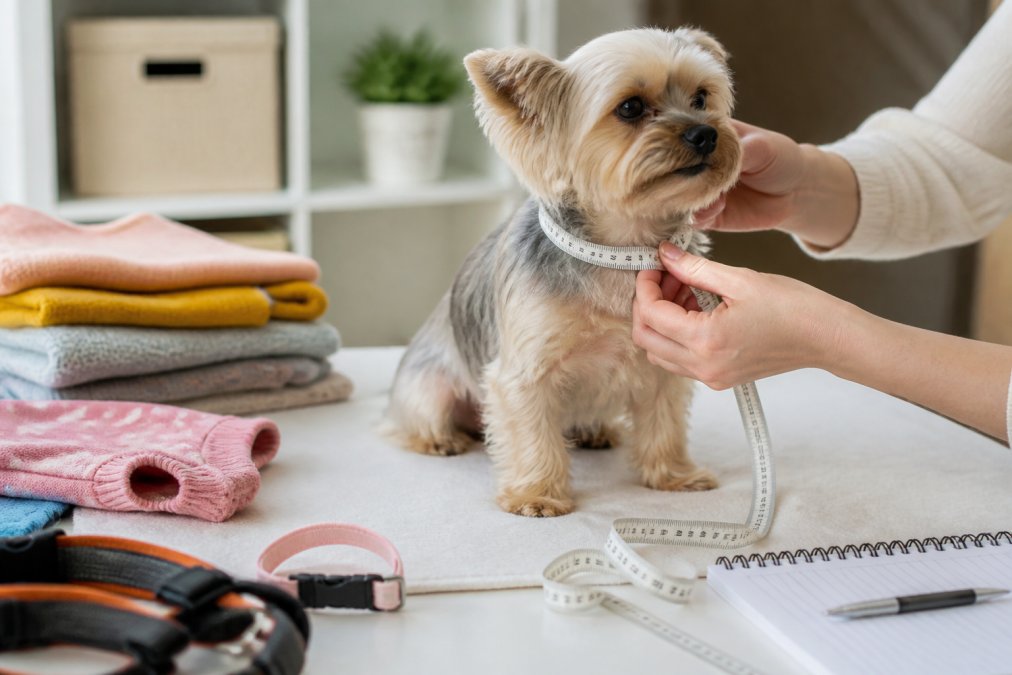
Using a soft measuring tape, gently wrap it around the base of your dog's neck where a collar would sit. You should be able to fit one finger comfortably between the tape and the neck. Record this number.
Next, measure the girth, the circumference around your dog's chest at the widest point, typically just behind the front legs. Have your dog stand naturally, and wrap the tape around the fullest part of the ribcage, maintaining that one-finger gap for comfort. This measurement is critical because it determines whether a garment will feel snug or restrictive.
Measuring Neck-to-Tail Length
The neck-to-tail length tells you whether a garment will provide adequate coverage without dragging on the ground. Start at the base of your dog's neck where the shoulders begin, and measure along the spine to the base of the tail. For dogs with longer backs, like Dachshunds or Corgis, this measurement becomes especially important. A garment that's too short exposes their lower back to cold, while one that's too long bunches up uncomfortably.
Best Fabrics for Sensitive Dog Skin: Material Selection Guide
Not all fabrics are created equal when it comes to small dog comfort. The wrong material can cause itching, irritation, and allergic reactions, especially in breeds prone to sensitive skin.
Breathable and Non-Irritating Options
Cotton blends are among the most reliable choices for everyday wear. They're breathable, allowing air circulation that prevents moisture buildup and skin irritation. Look for apparel labeled as jersey knit cotton or cotton-blend fabrics. Cotton blends also tend to be machine washable, making maintenance simple.
Fleece offers excellent thermal regulation for cooler weather while remaining breathable enough for indoor wear. Quality fleece doesn't trap moisture against the skin, which is essential for preventing fungal growth and irritation. Premium fleece should feel soft and slightly stretchy.
Hypoallergenic materials are worth seeking out if your dog has a history of skin sensitivity or allergies. Merino wool, despite being wool, is naturally hypoallergenic and temperature-regulating. It's also naturally antimicrobial, resisting odor buildup between washes. Stretchable materials matter more for small dogs than large ones. Spandex blends (typically 5-10% of the fabric composition) allow the garment to move with your dog's body, reducing chafing at pressure points like the shoulders and hindquarters.
Thermal Regulation and Seasonal Layering
Winter apparel should provide insulation without bulk. Fleece-lined jackets offer warmth while remaining lightweight, essential for small dogs who can be knocked off-balance by heavy coats. Look for weather-resistant outer layers paired with soft fleece lining.
Seasonal layering means having multiple weight options available. A lightweight vest works for mild weather or air-conditioned indoor spaces. A medium-weight sweater handles cool mornings and evenings. A heavier insulated jacket provides protection during winter outings. Summer apparel focuses on breathability and UV protection rather than insulation. Lightweight cotton or linen blends allow air circulation while protecting against sun exposure.
Top Comfortable Apparel Options for Small Dogs
1. Lola's Favorite Pet Gear Striped Dog Hoodie Winter Outfit
The Striped Dog Hoodie from Lola's Favorite Pet Gear combines warmth with everyday wearability. Made from soft, cozy fabric, this hoodie delivers thermal regulation without bulk, making it ideal for small dogs who need protection from cooler temperatures but spend most of their time indoors or in mild weather. The striped design works with multiple home décors, and the pullover construction means no struggling with fasteners. At $56.99, it reflects the construction quality and material durability.
Best for: Small dogs who need everyday warmth and owners who prioritize comfort-first design.
2. Lola's Favorite Pet Gear Fleece Padded Dog Harness Coat
This harness coat solves a common problem: dogs who need both warmth and secure leash control. The integrated harness means no separate harness underneath, reducing bulk and pressure points. The fleece padding provides thermal regulation while remaining breathable, and the design allows full range of motion for walking and play. The imitation fur hat adds warmth around the head and ears, areas where small dogs lose heat quickly. At $63.99, this premium option justifies the cost through functionality.
Best for: Active small dogs who walk frequently and need integrated harness functionality.
3. Lola's Favorite Pet Gear Waterproof Dog Harness Jacket
For dogs who spend time outdoors in wet conditions, this waterproof jacket with integrated harness provides essential protection. The waterproof outer layer sheds rain and snow, while the soft inner lining keeps your dog comfortable. Cotton construction with waterproof treatment provides durability without the plastic feel of fully synthetic materials. At $60.99, it's competitively priced for a waterproof option with integrated harness functionality.

Best for: Small dogs who frequently encounter wet weather and need reliable protection.
4. Gooby Stretch Fleece Vest for Everyday Warmth
The Gooby Stretch Fleece Vest offers simplicity and comfort for small dogs who need consistent warmth. The stretchable fleece material conforms to your dog's body, eliminating gaps and bunching. The pullover design means quick dressing without complicated fasteners. Starting at $15.62, this is an affordable option for dogs who tolerate pullover-style clothing. The stretchy material prevents chafing at pressure points, and the fleece provides thermal regulation without excessive bulk.
Best for: Budget-conscious owners and dogs who need lightweight, everyday warmth.
5. Fitwarm Dog Pajamas for Night Comfort
Fitwarm Dog Pajamas provide full-body coverage with sleeves and legs, designed specifically for nighttime warmth and comfort. The soft jersey knit cotton fabric feels gentle against sensitive skin, and the stretchable material allows free movement while sleeping. The potty-friendly cut means your dog can relieve themselves without removing the entire garment. Pricing typically ranges from $8.99 to $15.99, making them affordable for nightly use.
Best for: Senior dogs, short-haired breeds, and any small dog who struggles with nighttime cold.
6. Chilly Dog Sweaters for Premium Warmth
Chilly Dog Sweaters represent the premium end of small-dog apparel, handmade from 100% sheep or alpaca wool using Fair Trade production methods. The knit construction provides superior warmth while remaining breathable, and natural fibers regulate temperature better than synthetic alternatives. Available in 8 sizes specifically designed for small breeds, these sweaters offer fit precision that mass-produced options rarely match. Pricing ranges from $19.99 to $46.99 depending on size and material. The barrel-chested design works particularly well for breeds like Bulldogs and Pugs.
Best for: Owners who prioritize durability, sustainability, and premium materials, and dogs with non-standard body shapes.
How to Get a Dog Used to Wearing Clothes: Training Tips
Many small dogs resist wearing apparel initially because it's unfamiliar, not because it's uncomfortable. The introduction process matters more than the quality of the apparel.
Starting Indoors with Short Sessions
Begin indoors where your dog feels safe and can move freely without distractions. Put the apparel on for just 2-3 minutes the first day, then immediately remove it. Repeat this process daily, gradually extending the duration by 1-2 minutes each day. By day 7-10, your dog should tolerate wearing apparel for 15-20 minutes indoors. Only once they're comfortable indoors should you introduce outdoor wear.
Using Positive Reinforcement and Rewards
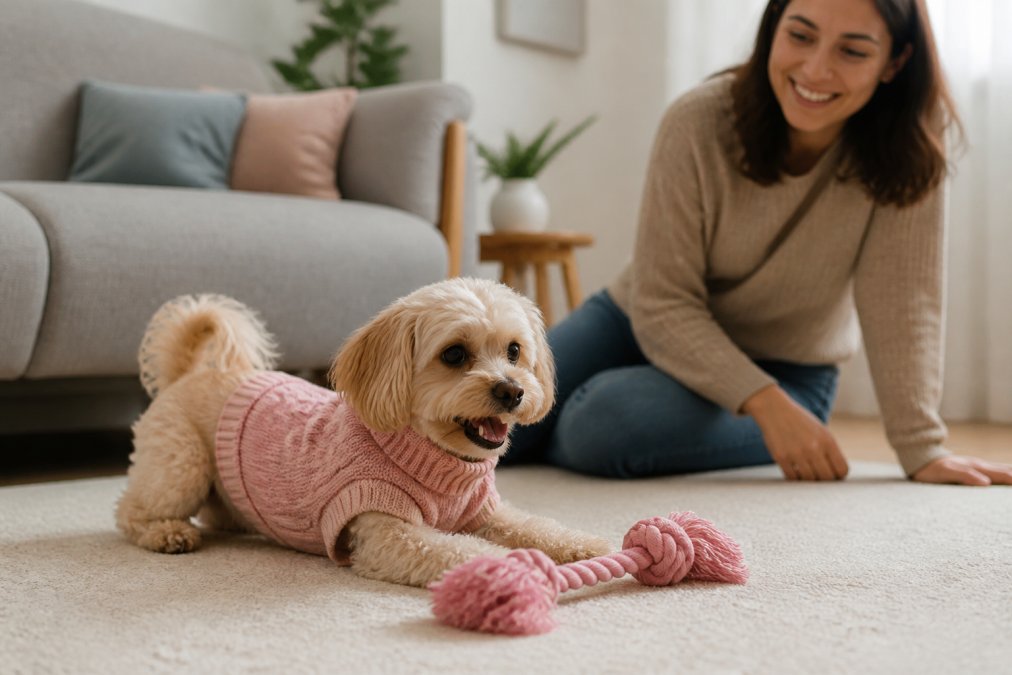
Never force apparel onto a reluctant dog. Instead, create positive associations by offering high-value treats immediately after dressing. During the wearing period, engage your dog in activities they enjoy. Play with their favorite toy, take them for a walk, or practice training commands. This redirects their attention from the clothing to the activity.
If your dog shows signs of distress, excessive panting, refusal to move, drooling, or attempts to escape, remove the apparel immediately. Pushing past resistance creates lasting negative associations.
Seasonal Clothing Needs: Winter vs. Summer Comfort
Winter apparel requirements depend on your climate and your dog's individual cold tolerance. Small dogs in climates with temperatures below 50°F generally benefit from insulated jackets or sweaters for outdoor time. Summer comfort focuses on preventing overheating rather than providing warmth. Small dogs with thick coats can overheat in direct sun, even in mild temperatures. Lightweight, breathable apparel allows air circulation while protecting against UV exposure.

Transitional seasons (spring and fall) are where layering strategy becomes valuable. A lightweight vest handles cool mornings that warm up by afternoon. A medium-weight sweater covers mild days without excessive insulation.
Care and Maintenance for Long-Lasting Comfort
Proper care extends the life of quality apparel significantly. Most small-dog clothing should be washed after every 2-3 wears to prevent odor and skin irritation. Check care labels carefully; some apparel requires hand washing while others tolerate machine washing on delicate cycles. Cold water prevents shrinking and color fading. Air drying preserves elastic and prevents heat damage. Avoid fabric softeners and bleach, which can irritate sensitive skin and degrade elastic fibers.
Inspect seams regularly for signs of wear, especially around high-stress areas like the shoulders and hindquarters. Store clean apparel in a dry location away from direct sunlight.
Safety Considerations and Breed-Specific Fit
Certain small dog breeds have unique anatomical considerations that affect apparel fit. Dachshunds and Corgis have elongated spines that require longer coverage and careful measurement to prevent gaps. Bulldogs and Pugs have barrel-chested builds that don't fit standard sizing.
Brachycephalic breeds (flat-faced dogs like Bulldogs and Pugs) can overheat more easily than other breeds, so apparel should prioritize breathability over insulation. Senior dogs may have arthritis or mobility issues that make pullover-style clothing difficult. Wrap-around or button-front styles allow easier dressing without forcing their joints through uncomfortable positions.
Dogs with anxiety or sensory sensitivities benefit from sensory-friendly clothing designed with gentle compression and soft textures. These garments provide calming input similar to anxiety wraps, helping some dogs feel more secure and grounded.
:::takeaway The best apparel for your small dog balances three factors: proper fit based on accurate measurements, appropriate fabric for your climate and your dog's needs, and thoughtful introduction to prevent negative associations. Prioritize comfort over aesthetics, a dog wearing clothing they tolerate is a dog wearing clothing at all.
Frequently Asked Questions
How do I know if my small dog is comfortable in clothes?
A comfortable dog will move naturally without excessive scratching, hesitation, or resistance. Watch for signs of ease: your dog should walk, sit, and play without stiffness. Uncomfortable signs include tail tucking, reluctance to move, or constant pawing at the garment. The apparel should allow full range of motion and not restrict breathing or movement. Check that there's no chafing around the neck, armpits, or legs, these areas are most prone to irritation.
What materials are best for small dog apparel?
Breathable, non-irritating fabrics work best for sensitive skin. Cotton blends, fleece, and jersey knit offer warmth without causing chafing. For cold weather, look for stretchable materials that allow movement and thermal regulation. Avoid synthetic fabrics that trap moisture. Hypoallergenic options are ideal for dogs with skin sensitivities. Machine-washable materials make maintenance easier and ensure hygiene for daily wear.
How do you measure a small dog for clothing?
Start by measuring your dog's neck circumference where a collar would sit, then measure the girth around the chest at its widest point. Next, measure the neck-to-tail length along the spine from the base of the neck to the tail base. Use a soft measuring tape and keep your dog standing naturally. Write down all measurements and compare them to size charts before ordering. For oddly-shaped dogs, measure twice and consider sizing up slightly for comfort and range of motion.
Should small dogs wear clothes in the house?
Most small dogs don't need clothes indoors unless your home is particularly cold or your dog is a short-haired or senior breed sensitive to temperature. Lightweight apparel like dog pajamas can provide comfort during rest without overheating. Avoid heavy winter coats indoors, they can cause overheating and discomfort. If your dog shows signs of anxiety or stress, sensory-friendly lightweight clothing may help them feel calmer, but always monitor for signs of overheating or discomfort.
What makes Lola's Favorite Pet Gear apparel worth the investment?
Lola's Favorite Pet Gear focuses on durable stitching, breathable fabrics, and thoughtful design that prioritizes your dog's comfort and movement. Our options like the Fleece Padded Dog Harness Coat ($63.99) combine warmth with integrated harness functionality, eliminating the need for separate gear. Products feature easy-on easy-off fasteners, machine-washable materials, and snug fits that prevent chafing. Customers choose us for the blend of quality construction and everyday practicality that stands up to active use.
Small dogs deserve apparel that prioritizes their unique comfort needs rather than forcing them into scaled-down versions of large-dog clothing. Lola's Favorite Pet Gear's curated selection of apparel, from the Striped Dog Hoodie to the Fleece Padded Harness Coat, is specifically designed with small breed anatomy in mind. Shop our collection of comfortable apparel for small dog breeds and discover how the right fit transforms your pup's comfort and confidence.
This article was written using GrandRanker