

Table of Contents
- Why Senior Dogs Need Specialized Gear
- Orthopedic Dog Beds for Seniors
- Dog Mobility Harnesses for Weak Back Legs
- Best Ramps for Senior Dogs
- How to Help a Senior Dog with Arthritis
- Raised Feeding Stations and Non-Slip Flooring
- Creating an Accessible Home for Your Aging Dog
- Conclusion
Last Updated: August 16, 2026
Why Senior Dogs Need Specialized Gear
Your aging dog isn't the same as the puppy you brought home years ago. As dogs enter their senior years, their bodies change dramatically. Joint mobility decreases, muscle mass weakens, and comfort becomes non-negotiable. Senior dogs often struggle with arthritis, reduced traction on slippery floors, and difficulty accessing favorite spots like couches and beds. Without proper support, everyday activities become painful.
Pet gear for senior dogs addresses these specific challenges. The right equipment reduces pain, improves mobility, and helps your aging companion maintain independence and quality of life. At Lola's Favorite Pet Gear, we understand that senior dogs need more than just cute accessories, they need functional tools designed around their changing bodies.
This guide covers the essential pet gear for senior dogs: orthopedic support systems, mobility aids, home modifications, and nutritional considerations. Each category serves a distinct purpose in helping your aging dog move comfortably and live their best life in their final years.
Orthopedic Dog Beds for Seniors
An orthopedic dog bed is the foundation of senior dog comfort. These beds provide pressure relief and joint support that regular beds cannot match. The specialized foam conforms to your dog's body, distributing weight evenly and reducing stress on arthritic joints.
Quality orthopedic dog beds for seniors feature high-density memory foam that supports the spine and hips, the areas most affected by aging and arthritis. Unlike standard beds that compress over time, orthopedic options maintain their structure for years. Your senior dog spends 12-16 hours daily resting, so investing in proper bedding pays dividends in comfort and mobility.
The Waterproof Fleece Pet Bed from Lola's Favorite Pet Gear combines orthopedic support with practical features. The ultra-soft fleece keeps your senior dog warm, while the waterproof base handles accidents common in aging dogs with incontinence issues. At $72.99, it provides durable support.

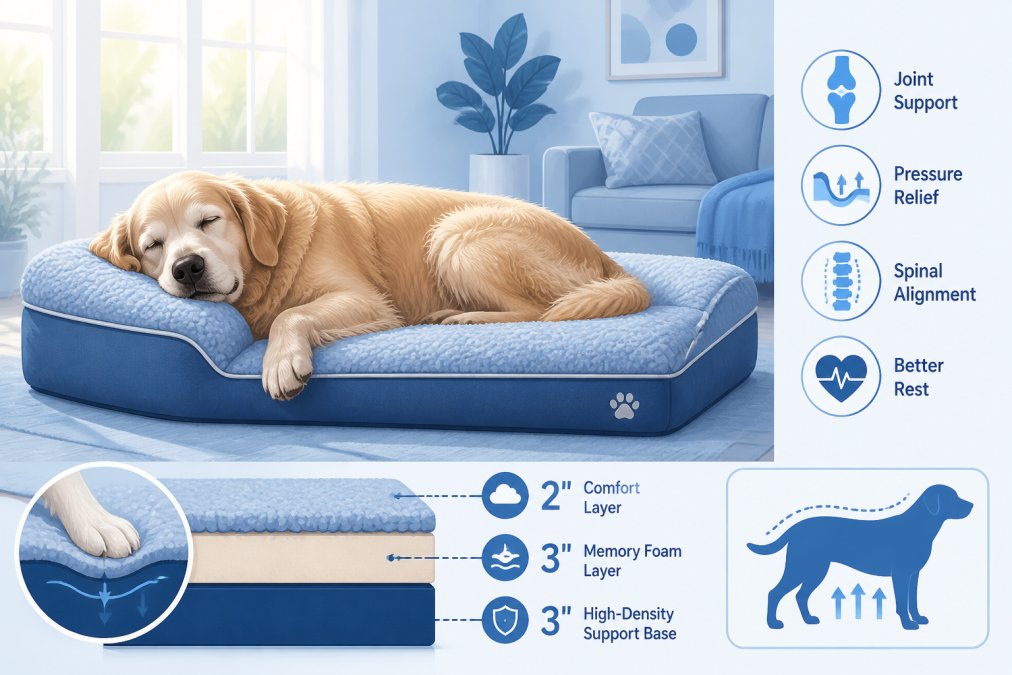
For dogs needing extra coziness, the Calming Donut Bed for Dogs & Cats offers raised edges that provide additional security and support for arthritic joints. The donut shape encourages your senior dog to curl up, reducing pressure on the spine. At $111.99, it's ideal for dogs with anxiety or those seeking maximum comfort.
When selecting an orthopedic bed, consider your dog's size and sleeping style. Side sleepers benefit from lower-profile beds, while dogs that curl up prefer donut-shaped designs. Washable covers are essential, senior dogs with incontinence issues need bedding you can clean easily.
Dog Mobility Harnesses for Weak Back Legs
Weak back legs are common in aging dogs. Hip dysplasia, arthritis, and spinal degeneration all compromise rear-end strength. A dog mobility harness provides the lift and support your senior dog needs to walk, climb stairs, and move confidently without falling or straining their joints.
The best dog mobility harnesses for weak back legs distribute weight evenly across the torso and hind legs. They reduce the load on arthritic joints while your dog regains confidence. Unlike standard harnesses that only control direction, mobility harnesses actively support your dog's movement.
Lola's Favorite Pet Gear offers the Fleece Padded Dog Harness Coat ($63.99) and Waterproof Dog Harness Jacket ($60.99), both combining warmth with structural support. The padded design prevents chafing while the integrated harness gives you control points to assist your dog during walks. These harnesses work particularly well for dogs with mobility impairment who still want to enjoy outdoor time.

When your senior dog struggles to rise from a lying position or hesitates before climbing stairs, a harness with lifting handles makes a dramatic difference. You can gently support their rear legs as they move, reducing pain and preventing falls.
Proper harness fitting is critical. A poorly fitted harness can cause chafing and restrict movement. Measure your dog's chest and length carefully, and always test the fit before extended use. The harness should allow full shoulder and hip movement while providing firm support.
Best Ramps for Senior Dogs
Ramps eliminate the need for your senior dog to jump or climb stairs, a major source of joint stress and pain. The best ramps for senior dogs feature non-slip surfaces, gentle inclines, and sturdy construction that won't shift under weight.
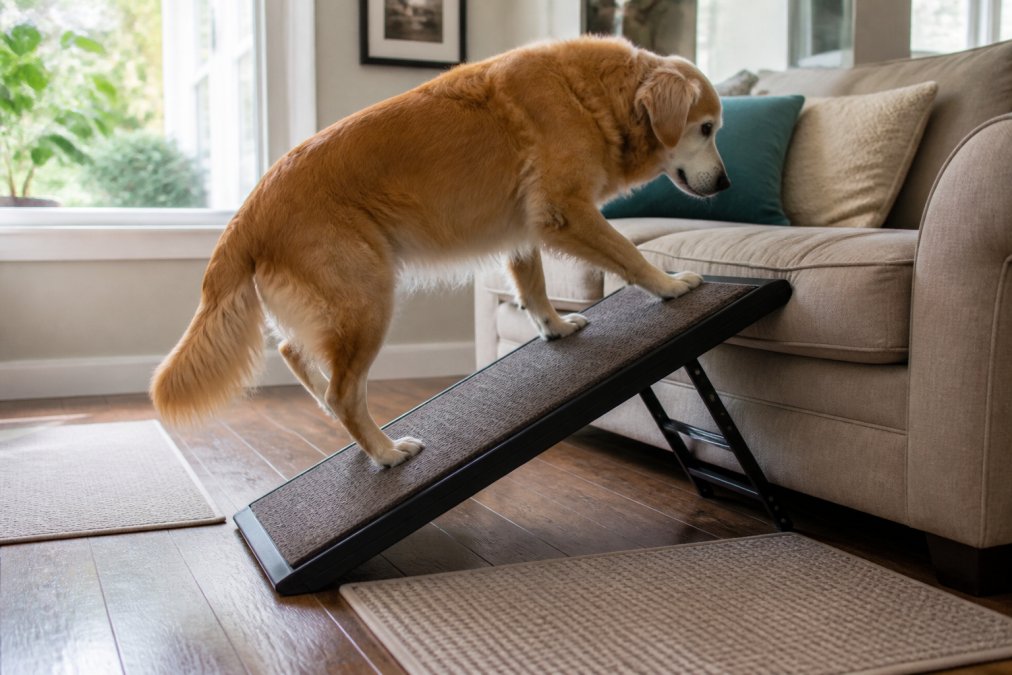
A ramp's angle matters significantly. Steep ramps require more effort and create joint hyperextension. Gentle inclines (15-20 degrees) allow senior dogs to walk at a natural pace while minimizing strain. Portable ramps work well for accessing vehicles and furniture, while permanent ramps suit homes with multiple stairs.
Surface traction is essential. Senior dogs with weak rear legs need maximum grip to prevent slipping. Rubber or textured surfaces outperform smooth materials. Non-slip flooring throughout your home complements ramp use by giving your dog confidence on all surfaces.
Consider your dog's size and mobility level when selecting a ramp. A 40-pound dog needs different support than a 100-pound dog. Adjustable or multi-section ramps adapt to different heights and can be stored easily. Some senior dogs benefit from ramps leading to their favorite spots, the bed, couch, or car, rather than only for outdoor access.
Installation should be secure and permanent-feeling. A ramp that shifts or wobbles creates anxiety and defeats the purpose. Your senior dog needs to trust that the ramp will support them fully before they'll use it confidently.
How to Help a Senior Dog with Arthritis
Arthritis is the most common chronic condition in aging dogs. It causes pain, stiffness, and reduced mobility that compounds over time. Helping a senior dog with arthritis requires a multi-faceted approach: pain management, joint support, movement encouragement, and environmental modification.
Weight management is foundational. Every excess pound increases stress on arthritic joints. Work with your veterinarian to establish a healthy weight for your senior dog. Proper nutrition supports joint health and reduces inflammation.
Joint support supplements containing glucosamine, chondroitin, and omega-3 fatty acids help maintain cartilage integrity and reduce inflammation. While these don't cure arthritis, many senior dogs show improved mobility and reduced stiffness within 4-6 weeks of consistent supplementation. Quality matters, pharmaceutical-grade supplements deliver better results than generic options.
Gentle movement prevents stiffness. Short, frequent walks (3-4 times daily) are better than one long walk. Swimming or hydrotherapy provides movement without joint impact, making it ideal for arthritic dogs. Even short sessions improve flexibility and muscle tone.
Heat therapy reduces pain and stiffness. Warm beds, heated pads, or warm compresses applied to affected joints provide comfort and improve circulation. Many senior dogs with arthritis show noticeably improved mobility on warm days.
Environmental modifications matter as much as supplements. Raised food bowls reduce neck strain. Non-slip flooring prevents falls and joint hyperextension. Ramps and steps eliminate jumping. These changes preserve your dog's ability to move independently while managing pain.
Raised Feeding Stations and Non-Slip Flooring
Raised feeding stations address a specific but important problem: senior dogs with arthritis struggle to bend down to floor-level bowls. Neck strain, shoulder stress, and difficulty reaching food compound feeding challenges. Raised bowls position food at a comfortable height, reducing joint strain and encouraging better eating posture.
The ideal height depends on your dog's size. Larger dogs benefit from higher stations, while smaller dogs need less elevation. Your dog's neck should be in a neutral position when eating, not craned downward or stretched upward. Raised feeding stations also slow eating, which aids digestion and prevents bloating.
Non-slip flooring is equally critical. Senior dogs with weak rear legs need maximum traction to move confidently. Slippery hardwood or tile floors cause falls, hyperextension, and reluctance to move. Non-slip mats, area rugs, or textured flooring throughout your home dramatically improve your dog's stability and willingness to walk.
Focus on high-traffic areas: hallways, kitchen, bedrooms, and anywhere your senior dog spends time. Rubber-backed mats stay in place without shifting. Some pet owners apply non-slip adhesive directly to floor surfaces for permanent traction. The investment is small compared to the mobility improvement your dog gains.
Combining raised feeding stations with non-slip flooring creates an accessible living space that supports your senior dog's independence. Your dog can eat comfortably, move safely, and maintain dignity in their own home.
Creating an Accessible Home for Your Aging Dog
Your home environment directly impacts your senior dog's quality of life. Small modifications make dramatic differences in mobility, comfort, and independence. An accessible home for your aging dog accommodates physical limitations while encouraging movement and reducing pain.
Start with flooring. Replace slippery surfaces with non-slip alternatives. Area rugs with rubber backing provide traction without permanent changes. Textured adhesive strips applied to stairs prevent slipping during climbs. Your senior dog's confidence increases when they trust their footing.
Furniture access matters more than most owners realize. If your dog loves sleeping on the couch or bed, stairs or ramps make access possible without painful jumping. Portable pet stairs are inexpensive and effective. Some senior dogs prefer staying close to their owners at night, a ramp to the bed maintains that bond while protecting joints.
Door thresholds and transitions between rooms can cause trips and falls. Sand down sharp edges or install transition strips that create smooth, gradual changes in height. Your senior dog's vision often declines with age, making clear transitions essential.
Lighting improvements help senior dogs with declining vision navigate safely. Nightlights in hallways and bedrooms reduce anxiety and prevent falls during nighttime bathroom trips. Many senior dogs develop cognitive dysfunction and become disoriented at night, good lighting helps them find their way.
Temperature control matters for dogs with arthritis. Keep your home at a comfortable temperature. Senior dogs often struggle to regulate body temperature, so warm sleeping areas and blankets provide comfort. Cold weather typically worsens arthritis pain, so extra warmth during winter months improves mobility.
Water and food placement should be easily accessible. Avoid requiring your senior dog to navigate stairs or climb over obstacles to reach meals. Elevated bowls at comfortable heights reduce strain further. Fresh water should be available in multiple locations, senior dogs may not have the mobility to reach a distant water bowl.
Consider your dog's bathroom needs. Senior dogs with incontinence need easy outdoor access. A dog door or ramp to a nearby potty area reduces accidents and preserves your dog's dignity. Washable pads in sleeping areas handle accidents gracefully.
Conclusion
Caring for a senior dog means prioritizing comfort, mobility, and dignity in their final years. The right pet gear for senior dogs transforms their daily experience, reducing pain and preserving independence. Orthopedic beds provide essential support. Mobility harnesses enable continued movement. Ramps and stairs eliminate dangerous jumping. Non-slip flooring prevents falls. Raised feeding stations reduce strain.
Your aging dog has given you years of companionship. Returning that gift with thoughtful, supportive care is one of pet ownership's greatest privileges. Lola's Favorite Pet Gear offers a complete selection of orthopedic beds, supportive harnesses, and comfort products designed specifically for senior dogs. Our Waterproof Fleece Pet Bed, Calming Donut Bed, and Fleece Padded Dog Harness Coat combine quality construction with genuine comfort features that extend your dog's active years. Shop Lola's Favorite Pet Gear today and give your senior dog the support they deserve.

Frequently Asked Questions
What are the must-haves for senior dogs?
Senior dogs benefit most from orthopedic support, mobility aids, and accessible home modifications. Priority items include an orthopedic bed that provides pressure relief for aging joints, a mobility harness or sling to assist with weak back legs, ramps or stairs to reduce jumping on furniture, non-slip flooring to prevent falls, and raised feeding stations to ease neck strain. Joint support supplements and incontinence management products also improve quality of life as dogs age.
What is the best sling for an older dog with weak legs?
The best sling provides harness support without restricting movement or causing hyperextension of weakened joints. Look for padded harnesses that distribute weight evenly across the chest and back, allowing you to provide stability without lifting the entire dog. Fleece-padded harness coats work well because they combine support with warmth, addressing both mobility impairment and comfort. Ensure proper harness fitting to prevent chafing and allow your dog to walk naturally while you provide gentle assistance.
How can I make my home more accessible for an aging dog?
Start with non-slip surfaces on hardwood or tile floors to prevent falls and improve traction control. Install ramps leading to couches, beds, and stairs to eliminate jumping. Place raised food and water bowls to reduce neck strain during meals. Use orthopedic bedding in favorite rest areas and block off stairs if mobility is severely limited. Consider baby gates to confine your dog to accessible areas, reducing cognitive dysfunction-related wandering. These modifications maintain your dog's independence while reducing injury risk and stress.
What do veterinarians recommend for senior dogs with arthritis?
Vets recommend a multi-faceted approach: orthopedic support through quality bedding and harnesses, joint health supplements containing glucosamine and chondroitin, therapeutic heat from warming beds, and modified exercise like short walks on soft surfaces. Arthritis management also includes weight management to reduce joint stress, pain relief medications when needed, and environmental modifications like ramps and non-slip flooring. Regular veterinary check-ups help monitor arthritis progression and adjust care plans accordingly for optimal quality of life.
Are pet wagons good for senior dogs?
Pet wagons can be beneficial for senior dogs with severe mobility impairment or those unable to walk long distances. They allow dogs to participate in outings and maintain social engagement while reducing physical strain. However, they work best as a supplement to, not replacement for, gentle walking and movement. Ensure the wagon has comfortable cushioning, good suspension, and is easy for you to maneuver. For dogs with mild to moderate mobility issues, harness support and ramps are often more effective at maintaining independence and muscle tone.
What breed-specific gear should I consider for my senior dog?
Breed-specific needs vary significantly. Large breeds like retrievers and German shepherds benefit most from sturdy ramps and heavy-duty harnesses due to joint stress from their size. Small breeds such as dachshunds need careful spinal support in harnesses to prevent hyperextension of their long backs. Brachycephalic breeds like bulldogs require cooling beds and careful monitoring during mobility assistance. Consult your veterinarian about your dog's specific breed vulnerabilities to arthritis and joint issues, then select gear that addresses those particular concerns.
This article was written using GrandRanker