

Table of Contents
- Understanding Dog Coat Types and Shedding Patterns
- Types of Grooming Tools for Shedding Dogs
- Best Brush for Double Coat Dogs
- How to Stop Dog Shedding at Home
- Grooming Tips for Heavy Shedding Breeds
- Tool Ergonomics and Safety for Regular Grooming
- Top Grooming Tools Compared
- Common Grooming Mistakes to Avoid
Last Updated: August 24, 2026
Understanding Dog Coat Types and Shedding Patterns
Your dog's coat type determines how you manage shedding. Double-coated breeds like Golden Retrievers, German Shepherds, and Huskies shed dramatically more than single-coated dogs because they have two layers: a dense undercoat and a protective topcoat (akc.org). That undercoat traps dead hair, dander, and loose fur that needs active removal. Without proper grooming, this trapped hair mats, tangles, and creates a breeding ground for skin irritation.
Single-coated breeds shed too, but the hair falls out more naturally. When shedding season arrives, typically spring and fall, double-coated dogs can shed enough loose fur to fill a small pillow in just one week (peer-reviewed research).
Understanding your dog's coat density matters because it dictates which grooming tools work. A slicker brush designed for short hair won't penetrate a thick double coat. A metal comb works for maintenance but won't remove the volume of dead hair that a deshedding rake will. Effective shedding management starts with matching the right tool to the coat type.
Types of Grooming Tools for Shedding Dogs
Slicker Brushes and Metal Combs
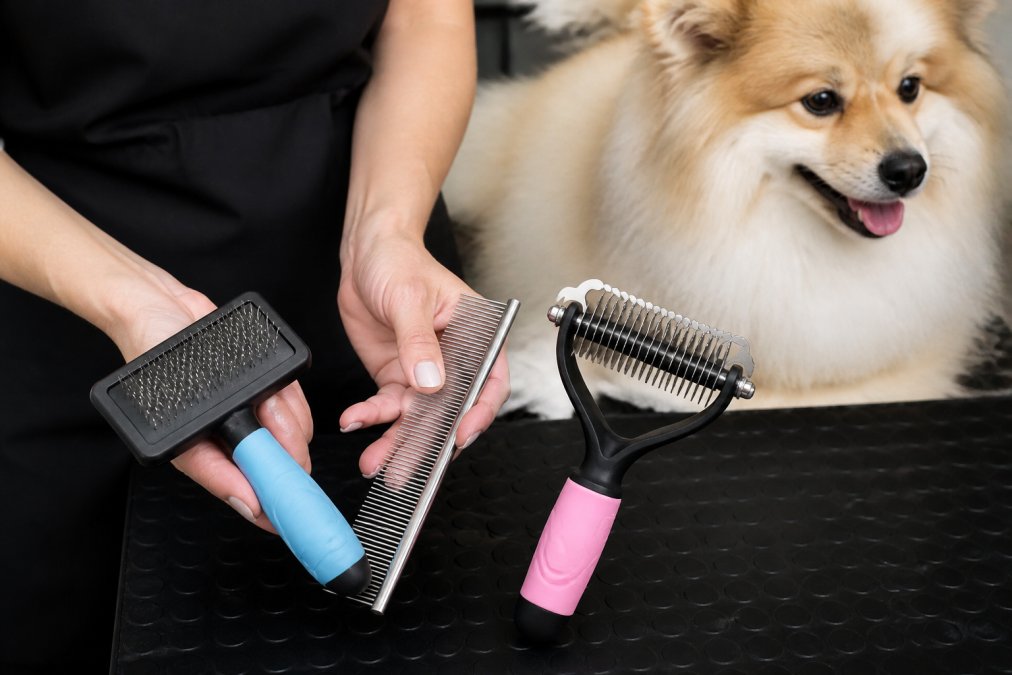
Slicker brushes have short, fine wires close together on a flat or slightly curved surface, designed to remove mats, tangles, and loose fur from the topcoat. For double-coated breeds, they're useful for finishing touches after deshedding but won't remove the volume of dead undercoat hair that accumulates.
Metal combs have wider-spaced teeth and work best for detangling and checking for mats after deshedding. Many groomers use metal combs as a final check before bathing. Combs are diagnostic and finishing tools, not primary shedding tools.
Deshedding Rakes and Undercoat Tools
Deshedding rakes are the workhorses of shedding management. These tools have longer teeth spaced further apart than slicker brushes, designed to penetrate through the topcoat and grab dead undercoat hair. For double-coated breeds during shedding season, a deshedding rake is non-negotiable.
The Pet Fur Knot Remover Comb from Lola's Favorite Pet Gear uses dual-sided teeth with rounded outer edges to prevent skin irritation while sharp inner edges break up mats and remove dead hair. Undercoat tools vary in design but share the same goal: extracting dead hair from the undercoat layer without damaging the topcoat. The best undercoat tools are stainless steel for durability and safety, with ergonomic handles to reduce hand fatigue.

Drying and Grooming Combination Tools
The 2-in-1 Pet Dryer Brush combines forced-air drying with a slicker brush attachment, allowing you to dry and groom simultaneously. This tool is especially useful after baths or in rainy climates where dogs need frequent drying. Combination tools work best for maintenance grooming between heavy deshedding sessions and are valuable additions to a complete grooming toolkit.
Best Brush for Double Coat Dogs
The best brush for double-coat dogs is a deshedding rake used regularly during shedding season and monthly during off-season. Start with a deshedding rake to remove dead undercoat, then follow with a slicker brush to smooth the topcoat and catch remaining tangles. This two-step approach addresses both layers of the coat.
For double-coated breeds, avoid using a deshedding blade or stripping tool on the topcoat itself. These tools can damage the protective topcoat if used incorrectly. The topcoat provides weather protection and regulates body temperature (akc.org).
During heavy shedding season, groom 2-3 times per week with a deshedding rake. Off-season, monthly grooming with a rake and slicker brush maintains coat health and prevents matting.
How to Stop Dog Shedding at Home
You cannot stop shedding entirely, it's a natural biological process. What you can do is manage it effectively so loose fur doesn't end up on your furniture, clothes, and car. The key is removing dead hair before it falls out on its own.
Start with a deshedding routine 2-3 times per week during shedding season. Use a deshedding rake in the direction of hair growth, working in sections across the entire body. Pay special attention to areas where matting occurs: behind the ears, under the front legs, and around the rear end. Spend 5-10 minutes per session rather than rushing through.
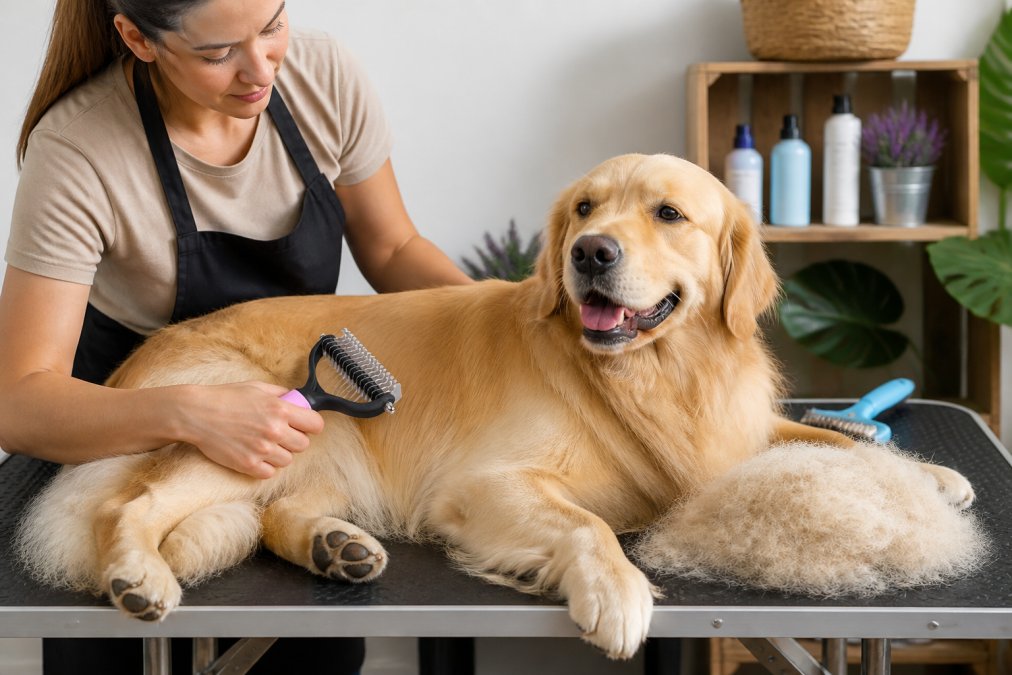
After deshedding, use a metal comb to check for remaining tangles and mats, then use a slicker brush to smooth the coat. This three-step sequence takes 15-20 minutes but dramatically reduces loose hair in your home.
Bathing accelerates shedding temporarily because water loosens dead hair. If you bathe your dog, follow up with a thorough deshedding session immediately after drying. The Pet Hair Remover Roller from Lola's Favorite Pet Gear captures loose fur that escapes into your home. Unlike disposable lint rollers, this reusable tool works on furniture, clothes, and car seats without sticky tape. Keep one in your car and one on your couch during heavy shedding season.

Grooming Tips for Heavy Shedding Breeds
Heavy shedding breeds like Huskies, Malamutes, and German Shepherds require a more aggressive grooming schedule than moderate shedders. Establish a routine and stick to it. A 15-minute session twice per week prevents the buildup that makes grooming feel overwhelming.
Invest in quality tools. Cheap deshedding rakes break easily and don't remove hair effectively. A quality stainless steel rake costs more upfront but lasts years and does the job properly. The Pet Fur Knot Remover Comb uses high-quality stainless steel specifically for durability and effectiveness on stubborn mats and heavy shedding.
Consider professional grooming during peak shedding season. A professional groomer has commercial-grade tools and experience handling heavy shedding efficiently. One professional session during spring or fall shedding can remove weeks' worth of accumulated dead hair.
Watch for signs of skin irritation during grooming. If your dog scratches excessively or you see red patches, slow down and use gentler pressure. The goal is to remove dead hair, not to scrape the skin.
Tool Ergonomics and Safety for Regular Grooming
Grooming is physical work. If you have arthritis, wrist pain, or limited grip strength, the wrong tool makes grooming painful or impossible. Look for tools with soft, non-slip grips that distribute pressure across your palm rather than concentrating it in your fingers. The Pet Fur Knot Remover Comb includes soft side strips and an ergonomic grip specifically designed to reduce hand strain.
Weight matters. A heavy tool exhausts your arm and shoulder faster than a lighter option. The 2-in-1 Pet Dryer Brush weighs only 13 ounces, making it manageable for extended use.

Always groom in good lighting so you can see what you're doing. Keep your fingers clear of the tool's working surface. Never groom an anxious or reactive dog without help. Stainless steel tools are safer than aluminum or plastic because they're more durable and less likely to break during use. Store tools safely where children or other pets can't access them.
Top Grooming Tools Compared
| Tool | Price | Best For | Key Feature |
|---|---|---|---|
| Pet Fur Knot Remover Comb | $36.99 | All coat types, mats & tangles | Dual-sided teeth, ergonomic handle |
| 2-in-1 Pet Dryer Brush | $105.99 | Post-bath drying & grooming | Combines drying and brushing, quiet operation |
| Pet Bath & Massage Glove | $60.99 | Bath time grooming | Silicone bristles, shower sprayer included |
| Pet Hair Remover Roller | $75.99 | Furniture and clothing cleanup | Reusable, eco-friendly, no batteries |
Pet Fur Knot Remover Comb
This is the essential tool for any owner dealing with shedding or matting. The dual-sided design with rounded outer edges and sharp inner edges removes dead undercoat while protecting skin. The stainless steel construction ensures durability, and the ergonomic handle reduces hand fatigue.
What works: The design works for all coat types and sizes. The price is reasonable for a tool you'll use regularly.
What doesn't: It's not a replacement for a deshedding rake on heavily shedding double-coated breeds. For dogs with extreme shedding, you'll want both this comb and a dedicated deshedding rake.
2-in-1 Pet Dryer Brush
This combination tool saves time for owners who bathe their dogs regularly. The slicker brush attachment and forced-air drying work simultaneously, reducing grooming time significantly. The adjustable heat settings and whisper-quiet operation keep anxious dogs calm.
What works: The time savings are real. The quiet operation matters for nervous dogs. The lightweight design (13 ounces) makes it manageable for extended use.
What doesn't: It's not a primary deshedding tool for heavy shedding breeds. Use this for maintenance and post-bath grooming, not for removing large volumes of dead undercoat.
Pet Bath & Massage Glove with Shower Sprayer
This tool transforms bath time into a bonding experience. The silicone bristles gently massage while removing loose hair, and the integrated shower sprayer makes rinsing easy. The adjustable wrist strap fits different hand sizes, and the three included faucet adapters work with most indoor and outdoor taps.
What works: The massage aspect genuinely calms anxious dogs. The silicone bristles are gentle enough for sensitive skin. The integrated sprayer eliminates the need for a separate handheld shower head.
What doesn't: This is a bath-time tool, not a primary grooming tool for between-bath maintenance. It removes some loose hair but won't handle the volume that a dedicated deshedding rake removes.
Pet Hair Remover Roller
This reusable roller captures loose hair from furniture, clothes, and car seats without sticky tape or batteries. The self-cleaning design means you just roll it backward to release trapped hair into the dust receptacle. It's eco-friendly and works on all fabric types.
What works: It genuinely removes pet hair from surfaces that lint rollers struggle with. The reusable design saves money compared to disposable rollers. No batteries or power means it works anywhere, anytime.
What doesn't: It's not a grooming tool, it's a cleanup tool. It doesn't prevent shedding; it just manages the hair that escapes into your home.
Common Grooming Mistakes to Avoid
Using the wrong tool for your dog's coat type is the most common mistake. A slicker brush alone won't manage a double-coated breed's shedding. Match your tools to your specific dog's coat type and shedding level.
Grooming too aggressively damages the topcoat and irritates skin. Gentle, consistent pressure removes dead hair effectively. Let the tool do the work; you just guide it.
Waiting too long between grooming sessions allows dead hair to accumulate and mat. Consistent grooming prevents this problem entirely.
Skipping the deshedding step and jumping straight to a slicker brush leaves most of the dead undercoat in place. The undercoat holds the most loose hair, so removing it first is critical.
Grooming a dry, tangled coat is much harder than grooming a clean, slightly damp coat. Bathing your dog before a heavy grooming session loosens dead hair and makes the work easier.
Ignoring signs of skin irritation turns a minor problem into a serious one. If your dog scratches excessively or you see red patches during grooming, stop and investigate. Skin health matters more than removing every last hair.
Not maintaining tools reduces their effectiveness and can cause injury. Clean your grooming tools after each use to remove trapped hair and debris. Replace them when they become dull or damaged.
Managing shedding at home is achievable with the right tools and consistent routine. The best grooming tools for shedding dogs match your dog's coat type, fit your hand comfortably, and actually remove dead hair effectively. Start with a quality deshedding tool like the Pet Fur Knot Remover Comb, establish a routine that works for your schedule, and adjust based on your dog's response. With Lola's Favorite Pet Gear's selection of grooming essentials, you have everything needed to keep your dog's coat healthy and your home cleaner. Shop Now to find the right tools for your dog's specific needs.
Frequently Asked Questions
What is the most effective tool for removing shedding dog hair?
The most effective tool depends on your dog's coat type. For double-coated breeds, a deshedding rake or undercoat tool removes dead hair from the undercoat most efficiently. For single-coated dogs, a slicker brush works well. The Pet Fur Knot Remover Comb ($36.99) combines dual-sided teeth that target both tangles and loose undercoat, making it effective across most coat types. Regular use during shedding season can remove significant amounts of loose fur before it falls out at home.
How often should you use a deshedding tool on your dog?
During shedding season, use deshedding tools 2-4 times per week for best results. Outside shedding season, once weekly is usually sufficient. For heavy shedding breeds, you may need to deshed daily during peak season to manage loose fur effectively. Start with shorter sessions to help your dog adjust to the grooming routine, then gradually increase frequency. Monitor your dog's skin for irritation and adjust accordingly.
Are deshedding tools safe for all dog breeds?
Most deshedding tools are safe when used correctly, but technique matters. Tools with rounded outer edges prevent skin irritation. The Pet Fur Knot Remover Comb features rounded edges specifically designed for safe grooming. Avoid pressing too hard or using sharp blades on sensitive skin. Double-coated breeds tolerate deshedding tools best. For dogs with thin or sensitive skin, test on a small area first. If your dog has skin conditions, consult your veterinarian before starting a deshedding routine.
What's the difference between a slicker brush and a deshedding rake?
A slicker brush has close-spaced, fine wires that remove tangles, mats, and some loose topcoat hair from the surface. A deshedding rake has wider-spaced teeth that penetrate deeper into the undercoat to remove dead hair at the base. Slicker brushes work better for detangling and general maintenance, while deshedding rakes are more effective for removing bulk loose undercoat during shedding season. Many pet owners use both tools as part of their grooming routine for complete coat maintenance.
How can I stop dog shedding at home with regular grooming?
Regular grooming removes loose hair before it sheds onto your furniture and clothes. Establish a routine using the right tools for your dog's coat type: use a deshedding rake 2-4 times weekly during shedding season, follow with a slicker brush to remove remaining tangles, and consider a 2-in-1 dryer brush after baths to blow out loose undercoat. The Pet Dryer Brush ($105.99) combines drying and combing to remove significant amounts of loose hair efficiently. Consistent grooming reduces shedding around your home.
This article was written using GrandRanker